Floor Sanitizers
Floor programs that keep environmental monitoring clean.
Floor and drain sanitizing chemistry for food plants, commercial kitchens, and facilities where environmental monitoring decides whether your sanitation program is actually working.
- Environmental pathogen control
- Drain + floor + walkway zones
- Pairs with food-contact surface programs
Already sanitizing food-contact surfaces? Close the loop with environmental floor chemistry.

Shop Floor Sanitizers
2 products shipped from our Bogart, GA warehouse

Alpet PAA 5.6% Antimicrobial Solution
High-Performance Antimicrobial for Superior Sanitation PAA Sanitizer 5.6% Solution is a premium, high-performa…

Dry Step Bicarb Granulated Floor Treatment
Dry Step Bicarb Granulated Floor Treatment prevents slipping on production floors in meat, poultry, dairy and …
Floors, drains, and walkways are where environmental Listeria monitoring programs find the most positives. Floor sanitizers exist to break that cycle.
D2 floor chemistry pairs cleanly with our surface and CIP programs so you can run one facility-wide sanitation playbook.
SDS, labels, and technical sheets available for HACCP documentation, SQF environmental monitoring, and FSMA preventive controls.
Same warehouse that ships Alpet D2 and ZeroPoint HOCL. Call (762) 255-8353 when you need a specific dilution rate or compatibility check.
Floor zones are where environmental programs succeed or fail.
Drain positives, slip risk, and cross-zone transfer all live at floor level.
Environmental positives
Drain swabs coming back Listeria-positive is one of the most common environmental monitoring findings in food plants.
Floor and drain chemistry needs to hit these zones specifically — surface sanitizers aren't formulated for them.
Slip + safety risk
Overly concentrated or wrong-chemistry floor products leave residue, odors, or slip hazards that create a second problem.
Match chemistry to surface type (epoxy, concrete, tile) and your dilution system.
Cross-zone transfer
Shoes, wheels, and water move pathogens from floors to prep areas faster than any other vector.
A real floor program is a prerequisite for your food-contact sanitation program holding up.
Where D2 floor sanitizers fit
Environmental zones, janitorial programs, and the step before surface sanitation.
Food processing
Cooler floors, drains, walkways, wash-down zones, cold storage.
Commercial kitchens
Back-of-house floors, mat lines, drain grates, prep-area runoff.
Healthcare facilities
Patient-area corridors, common spaces, utility rooms.
Janitorial programs
Multi-site facility sanitation, seasonal deep cleans, turnover refreshes.
Industrial + warehouse
Loading zones, shift-start floor cleans, equipment staging.
Pair floors with the rest of your sanitation program

Surface Sanitizers
Food-contact sanitizer (EPA Reg. 73232-1) for the prep areas above your floor zones.

Disinfectant Wipes
Quick-hit wipes for spills and in-between sanitizing moments.

Shoe Sanitizer
Footwear sanitizing stations break the floor-to-prep-area transfer chain.
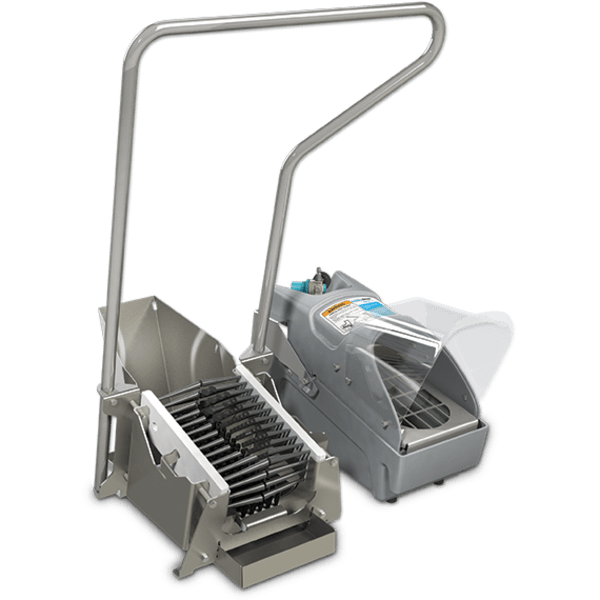
Industrial Cleaners
Heavy-duty cleaners for the clean-step before sanitizing.
Need help building a floor + environmental monitoring program?
Tell us about your surfaces, drains, and monitoring findings. We'll match chemistry to the zones that actually move your results.
Floor Sanitizers FAQs
Questions from food-safety, compliance, and operations teams.
Are there any floor sanitizers that are specifically recommended for use in food service businesses?
Talk to your local health department or a trusted food service chemical supplier. They can help you find EPA-registered sanitizers. These are right for your needs, whether you are cleaning the grill, sanitizing ice machines or washing dinnerware.
Can natural sanitizers be as effective as chemical ones in food service settings?
Natural solutions work well against many germs. However, they may not be as strong as chemical sanitizers. This is especially true for certain germs that are very important for food safety.
Do floor treatments require any special equipment?
The recommended equipment for floor cleaners depends on the type of treatment. Most products require a buffer or special applicator machine. For the Dry Step treatment, we advise sweeping or vacuuming debris from the floor surfaces first. After, apply the floor cleaner with a mop or scrub brush.
How often should floors in food service areas be sanitized?
A regular cleaning schedule is very important. It should use the right food service chemicals and cleaners. High-traffic areas and food contact surfaces need cleaning and sanitizing several times each day. In contrast, areas that are not busy can be cleaned less often.
How often should I be cleaning my floors?
There are many factors that determine how frequently hard floors should be cleaned. Foot traffic, liquid spills and floor type can all determine the best frequency for cleaning floors. Since Dry Step Bicarb is a deep-scrub treatment, a commercial facility can use it to clean floors between once a day or weekly.
What are the key components of an effective food service floor sanitizer?
An effective food service floor sanitizer should have EPA registration. It should also work as a degreaser and kill bacteria at the suggested ppm. Think about if you need to rinse it off after using it.
What are the key considerations when selecting floor sanitizers?
Choosing the right floor sanitizer for food service environments involves several critical factors. Here are some key considerations to ensure effective sanitation:
1. Compatibility with Surfaces
It’s essential to choose a sanitizer that is safe for the surfaces in your facility. Some harsh chemicals can damage flooring materials over time, especially in high-traffic areas. Always refer to the manufacturer’s guidelines regarding compatibility with tiles, laminate, concrete or other flooring types you may have.
2. Regulatory Compliance
Food service businesses must adhere to strict hygiene regulations set by health authorities. Ensure that any sanitizer you choose meets the requirements laid out by organizations like the FDA or EPA. Look for EPA-registered products specifically designed for use in food handling environments.
3. Ease of Use
Select sanitizers that are easy to apply and do not require complex mixing or handling procedures. User-friendly products can improve compliance among staff and enhance overall cleanliness. This is especially important for busy environments where quick and efficient cleaning is necessary.
4. Safety and Toxicity Levels
Consider the safety profile of sanitizers, particularly their toxicity levels for staff and customers. Sanitizers with lower toxicity and less irritating properties are preferable. Always have proper Material Safety Data Sheets (MSDS) on hand for staff training and safety protocols.
5. Cost-Effectiveness
Evaluate the cost per use, taking into account the required concentration and dwell time. While some high-quality sanitizers may come with a higher price tag, the overall effectiveness and compliance benefits can lead to long-term savings and improved health safety standards.
What floor cleaner is used in the food industry?
In the food industry, the choice of floor cleaner is crucial, as it must effectively sanitize surfaces without posing a risk to food safety. Generally, floor sanitizers used in food service environments fall into two main categories: quaternary ammonium compounds (quats) and chlorine-based sanitizers.
1. Quaternary Ammonium Compounds (Quats)
Quats are widely used in the food service industry due to their effectiveness against bacteria, viruses and fungi. They are favored for their low toxicity and non-corrosive properties, making them safe for use around food. Popular quats include benzalkonium chloride and dodecylbenzenesulfonic acid. These sanitizers work effectively at both low and high temperatures, can be used as both a cleaner and a sanitizing agent and typically require a dwell time of only a few minutes to achieve maximum effectiveness.
2. Chlorine-Based Sanitizers
Chlorine bleach is another potent option for sanitizing floors in food service establishments. It is very effective against a broad range of pathogens, including those that cause foodborne illnesses. However, it should be used with caution due to its strong odor and potential corrosiveness to surfaces over time. When utilizing chlorine-based sanitizers, it’s essential to dilute them properly according to manufacturer instructions to ensure safety and effectiveness. Additionally, the dwell time to achieve adequate sanitation might be longer than that required for quats, so staff should be trained on proper application and usage protocols to ensure compliance with hygiene standards.
Other Types of Sanitizing Solutions
Apart from quats and chlorine bleach, there are other alternatives worth mentioning:
3. Hydrogen Peroxide
Hydrogen peroxide, or specifically peracetic acid, sanitizers have gained popularity in food service due to their eco-friendliness and effectiveness in eliminating a range of microorganisms. They can be used on various surfaces, including floors, and break down into water and oxygen after use, leaving no harmful residues. However, it’s important to ensure that the solution is at the correct concentration and that users are aware of the necessary dwell times for effective sanitization.
4. Enzymatic Cleaners
Enzymatic cleaners utilize naturally occurring enzymes to break down organic matter, such as grease and food residues, making them particularly useful in kitchen environments. While they may not provide the same immediate sanitation levels as quats or chlorine-based products, they are excellent for degreasing and preparing surfaces for subsequent sanitization steps. Following an enzymatic cleaning process with a proper sanitizer is often recommended to achieve the best results in maintaining hygiene and cleanliness.
What is commercial disinfecting?
Commercial disinfecting involves using specialized chemicals and equipment to eliminate germs, bacteria and viruses from surfaces in commercial settings. This process helps prevent the spread of infectious diseases and ensures a safe environment for employees, customers and visitors.
What safety precautions should be taken when applying floor sanitizers?
Always put safety first. Wear the right protective gear, like gloves and eye protection, when you use floor cleaners.Make sure there is good ventilation in areas where food is served.Follow the manufacturer’s instructions for safe use.
+ 1 more in the full FAQ library